
Entertainment
[EDITORIAL] Inconsistency in Ghanaian Music Genres: Losing Global Acceptance and Relevance on the World Stage

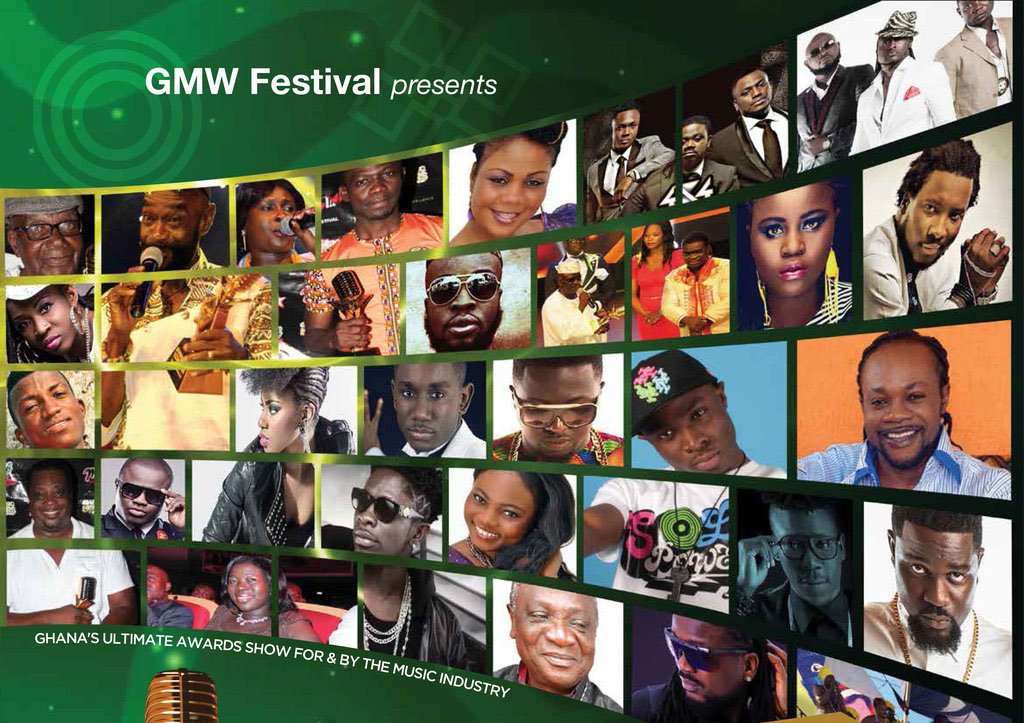
For decades, Ghana has been a musical powerhouse in Africa, exporting rich sounds such as Highlife, Hiplife, Gospel, Azonto and more recently Afrobeats-inspired fusions. Ghanaian music once enjoyed a distinctive global identity, classy Highlife orchestration, culturally grounded lyrics, and innovative urban sounds that influenced West Africa and beyond. However, in recent years, questions have emerged about the inconsistency of Ghanaian music genres and how this lack of coherence is gradually affecting their acceptance and relevance on the global stage.
A Loss of Clear Musical Identity
One of the biggest challenges facing Ghanaian music today is the erosion of a clearly defined identity. Unlike Nigeria, which has successfully branded and exported Afrobeats as a recognisable global sound, Ghanaian music appears fragmented. Artists frequently shift between genres from drill-inspired rap to Afrobeats, Amapiano, and even Caribbean-influenced sounds, often without grounding these styles in a uniquely Ghanaian context.
This genre-hopping, while creatively flexible, has weakened Ghana’s musical signature. International audiences struggle to identify what distinctly represents Ghanaian music, making it harder for global markets to connect emotionally and culturally with the sound.
Inconsistent Industry Direction
The inconsistency is not only artistic but structural. Ghana’s music industry lacks a unified long-term vision for global positioning. Artists, producers, promoters, and industry regulators often operate independently rather than collaboratively. There is limited strategic investment in genre development, international marketing, touring circuits, and export-ready infrastructure.
As a result, promising sounds emerge but fade quickly due to inadequate promotion, poor management, or lack of sustained support. Global relevance thrives on consistency — repeated exposure, solid branding, and long-term audience engagement — areas where Ghanaian music struggles.
Trend-Chasing Over Cultural Storytelling
Another factor affecting global acceptance is excessive trend-chasing. Many Ghanaian artists adopt viral sounds primarily for short-term digital traction rather than longevity. While trends can be useful entry points, overdependence on them dilutes originality. International audiences are increasingly drawn to authentic storytelling rooted in culture, something Ghana has in abundance but often underutilises.
Highlife, for instance, remains one of Ghana’s most powerful cultural exports, yet it has not been adequately modernised and repackaged for younger global audiences. Instead of evolving foundational genres, the industry often sidelines them in favour of externally dominant styles.
Weak Global Promotion and Cultural Diplomacy
Globally successful music industries benefit from strong cultural diplomacy. Ghana’s music export lacks coordinated international promotion through embassies, festivals, global media partnerships, and streaming platform advocacy. Many Ghanaian artists rely heavily on organic digital growth without structured global campaigns, making international breakthroughs sporadic rather than sustained.
Furthermore, limited collaboration with established global acts and producers reduces Ghana’s visibility in mainstream global music conversations.
The Role of Media and Gatekeepers
Local media and industry gatekeepers also play a role in the inconsistency. Radio rotations, award schemes, and chart systems often fail to prioritise quality, originality, and international potential. When domestic recognition systems are inconsistent or credibility is questioned, it becomes difficult to present Ghanaian music as globally competitive.
The Way Forward
To regain global relevance, Ghanaian music must embrace consistency without stifling creativity. This includes:
- Defining and promoting distinct Ghanaian sounds with modern appeal
- Investing in long-term artist development and genre branding
- Encouraging originality rooted in culture rather than trend dependency
- Strengthening industry collaboration and export strategies
- Repositioning Highlife and Hiplife as evolving global genres
Global relevance is not achieved overnight. It is built through sustained excellence, strategic planning, and cultural confidence.
Conclusion
Ghanaian music is not lacking talent or creativity; it is lacking consistency, structure, and clear global positioning. Until the industry aligns artistic innovation with cultural identity and strategic direction, Ghana risks remaining influential locally but inconsistent globally. The world is listening, but Ghana must decide what sound it truly wants the world to hear.


![JUST IN: Bibiani-Ahwiaso MCE Dead After A Tragic Accident [VIDEO]](https://enewsghana.com/wp-content/uploads/2022/07/FotoJet-1-5-80x80.jpg)
!["I Am One Of The Black Stars" - Inaki Williams Says As he announces Nationality Switch [WATCH]](https://enewsghana.com/wp-content/uploads/2022/07/Imaki-80x80.jpg)
